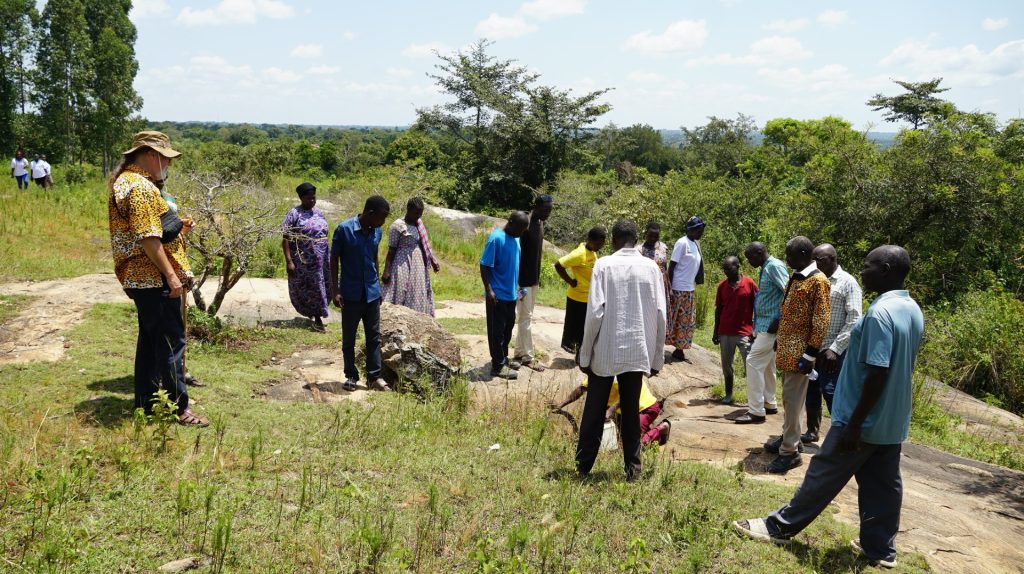
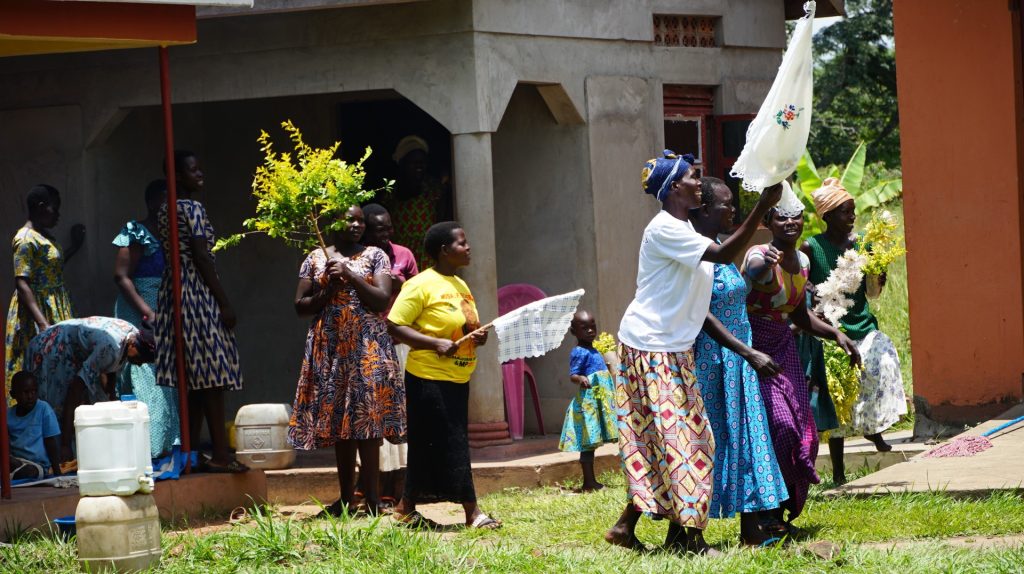
Odenaansan’s work is guided by the principle of Integrated Community Development (ICD), which emphasizes that sustainable change grows from the community itself.
The Three Pillars of Integrated Community Development
Odenaansan’s work is guided by the principle of Integrated Community Development (ICD), which emphasizes that sustainable change grows from the community itself. The framework rests on three central pillars:
- The revitalization of culture
- The regeneration of land
- The restoration of heart to community
These guiding principles are applied flexibly in each community, ensuring that initiatives align with local priorities and knowledge systems.
WaterPlus: ICD in Action in Agereger Village
In Agereger Village, WaterPlus illustrates the ICD approach. Rainwater harvesting systems improve access to clean water, reducing the time and effort required for water collection.
Community-Led Implementation
By involving community members at every stage, from planning to monitoring and maintenance, the project ensures that solutions are locally appropriate and culturally aligned. Families experience tangible benefits such as improved health and additional time for education and agricultural work, demonstrating how infrastructure projects can produce practical outcomes when paired with participatory governance.
SHAREpower: Energy Resilience in Parry Sound-Muskoka
In Parry Sound-Muskoka, the SHAREpower initiative applies the ICD framework to energy systems. Households are assessed for retrofits that improve efficiency, reduce energy costs, and support environmental sustainability.
Cooperative Structure and Community Ownership
The cooperative structure allows residents to collectively manage resources, reinvest savings, and make decisions that reflect community priorities. Educational workshops enhance residents’ ability to understand and maintain energy systems, ensuring long-term self-reliance and resilience.
Barrier Lake: Forest Regeneration and Cultural Revitalization
Barrier Lake applies ICD to forest regeneration and cultural revitalization, integrating ecological restoration with intergenerational knowledge-sharing. Projects such as monitoring forest health, documenting traditional practices, and establishing cultural spaces demonstrate that ecological and social priorities can advance together when communities are at the center of decision-making.
Achieving Minobimaadiziwin: The Good Life
Through ICD, Odenaansan ensures that development is community-led, culturally grounded, and ecologically responsible. By combining practical infrastructure with participatory governance, the framework allows communities to achieve Minobimaadiziwin, the good life through solutions that strengthen social cohesion, environmental stewardship, and cultural continuity.